Table Of Content
While there aren't any miracle solutions, the options on our list can definitely be a effective at slowing hair shedding, thinning, and loss. Be patient—it can take several weeks of consistent use to start seeing a difference, and your results will depend on the specific cause of your hair loss. If over-the-counter products don’t work for you, consult a trichologist or dermatologist to get a personalized diagnosis and explore treatment options.
Find Care
If getting the right nutrients, minimizing stress, and avoiding tight hairstyles don’t seem to help, a doctor or dermatologist can offer more information on prescription treatments. It may help with hair loss from alopecia areata because the needles inserted into your scalp may help stimulate hair follicles and promote regrowth. The FDA has approved topical tretinoin cream and gel for skin care and supportive pro-aging purposes, but not for hair loss treatments. In some circumstances, tretinoin may cause hair loss, so it’s important to only try this medication with guidance from your doctor. If you’ve started noticing thinning hair or you have a family history of male pattern baldness, you may not be able to completely stop your hair loss. If you have an underlying medical condition, such as alopecia areata, getting the correct treatments from your doctor may help with hair loss.
Chronic health conditions
Unless you have extremely oily hair, consider washing your hair only every other day or less. If they suspect an autoimmune or skin condition, they might take a biopsy of the skin on your scalp. This involves carefully removing several small sections of skin for laboratory testing. If you’d like to try acupuncture, a healthcare professional can offer a referral.
Find more top doctors on
Minoxidil is the active ingredient in Rogaine, and it’s also available in a generic form as a liquid solution or an oral tablet. Meanwhile, “the goal of a serum is to target the hair follicle directly by delivering compounds that may allow for improved or optimal hair growth,” says Dr. Mirmirani. These ingredients are those that aren’t typically found in the diet, such as minoxidil and plant-based compounds. Although it’s common to lose hair throughout the day, it’s a good idea to speak with your doctor if you’re losing more than 100 hairs per day. People who are planning to become pregnant or are at an age where they may become pregnant should avoid this medication due to possible serious side effects during pregnancy.
Try to reduce stress
For the best effect, doctors recommend taking biotin, vitamin C, zinc, and folic acid together. When these flakes mix with the oil that’s produced by the scalp, they can clog your follicles and impair the hair’s nutrient supply, which ultimately weakens its structure. In hair transplant surgery, pieces of scalp tissue with the hair attached are typically taken from one area of the scalp and moved to areas of baldness. Some women may even notice hair growth changes after going off hormonal birth control pills. Hormonal changes of any kind, particularly falling estrogen levels, can temporarily disrupt the hair life cycle. Women may experience hair loss during menopause due to reduced production of the hormones estrogen and progesterone.
Health Alerts from Harvard Medical School
People who have immune system deficiencies could also have thinning hair. Consider gentle hair products when available, and comb and brush hair only when needed. You can also place less stress on your hair by limiting the use of heated styling tools as well as tight hairstyles. While stress is a natural part of life, long-term stress can do damage to your health — including your hair. Essential oils are liquids derived from certain plants, and they’re primarily used in aromatherapy and other types of alternative medicine.
Minoxidil, also known as Rogaine, is approved by the Food and Drug Administration (FDA) for the treatment of alopecia areata or androgenic alopecia. In fact, you probably lose between 50 and 100 single hairs each day, according to the American Academy of Dermatology (AAD). After 12 weeks of treatment, the patients treated with minoxidil and microneedling had significantly more hair growth.
Mayo Clinic Minute: Expert advice for women with thinning hair - Mayo Clinic
Mayo Clinic Minute: Expert advice for women with thinning hair.
Posted: Sun, 28 Jan 2024 08:00:00 GMT [source]
Female pattern baldness (androgenetic alopecia) is the most common cause of hair loss in women, but there are many other potential causes. The type of hair loss, as well as your overall health and desires, determine which hair replacement procedures are most suitable. A healthcare provider or dermatologist can help you navigate treatment for hair loss or thinning hair.
Treatments for hair loss are more likely to be successful if started early. This works well for people with inherited baldness since they typically lose hair on the top of the head. Because some hair loss can be progressive, you may need multiple procedures over time. Newer treatments that are also being explored include some forms of laser therapy, microneedling with PRP, as well as other oral medications. Many of these treatments are still in the early testing phases though, and more research will be necessary.
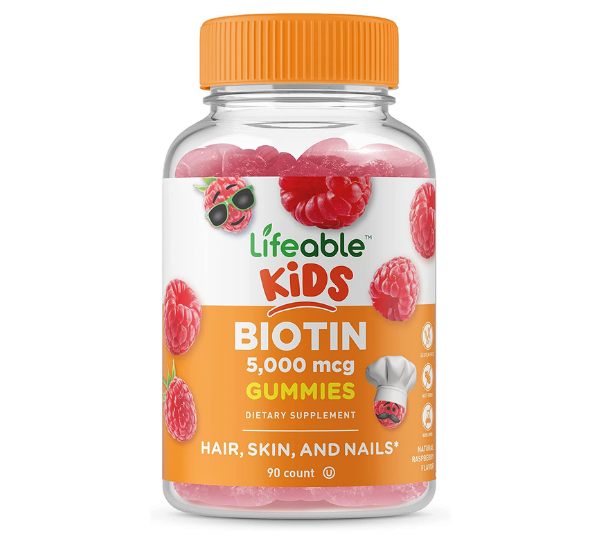
Look for daily supplements for males and females that meet these criteria. Some options are OLLY Heavenly Hair Gummies and HUM Hair Strong Gummies. Shampoos for thinning hair or hair loss also contain vitamins and amino acids to promote a healthier scalp. If you have healthy hair on the back or side of your head, a doctor can surgically remove hair strands from those areas and graft them into your scalp in a bare area.
While a rinse-off hair growth shampoo isn’t going to be a miracle solution on its own, it is a good option to use in tandem with other treatments. This one was developed by a trichologist and has 14 years of research behind it. The formula contains ingredients such as saw palmetto to help block DHT, biotin, and natural antibacterial tea tree oil to combat scalp issues. A strand of hair usually grows for two to six years before it sheds. Most people have about 100,000 strands of hair on their respective heads, and the average person loses between 50 and 100 hairs per day.
Hair loss related to androgenic alopecia tends to happen gradually. While some people might experience hair loss as early as puberty, others might not notice symptoms until their middle ages. You can often resolve nutrient deficiencies with dietary changes or supplements, though it never hurts to get guidance from a doctor or registered dietitian first.
Once your dermatologist has all the necessary information, you’ll find out if you have alopecia areata. If you do, your dermatologist will talk with you about how the disease is affecting your life and whether treatment is recommended. If you lose significant hair, it’s important to protect your scalp. Wear a hat, scarf or other head covering when you’re in the sun, and apply sunscreen daily. This usually isn't noticeable because new hair is growing in at the same time.



No comments:
Post a Comment