Table Of Content
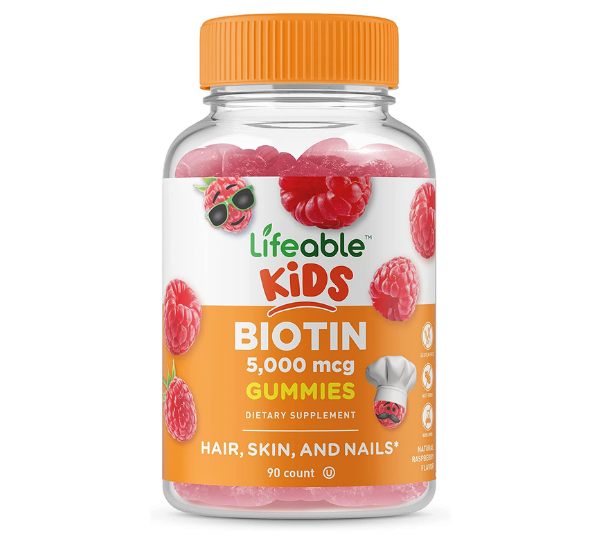
Of course, not every vitamin that advertises hair-boosting benefits delivers on the promise of healthy hair growth. Some are overhyped, others are downright ineffective, and still others carry harmful side effects. To help you sift through the options–and determine which tablets, capsules, or gummies are worth your dollars–we consulted dermatologists. Here are the best hair growth vitamins worth considering, plus answers to commonly asked questions. FullWell Prenatal Multivitamin provides a broad spectrum of vitamins and minerals that may support hair growth, including B vitamins, zinc, and vitamin D. Some supplements are formulated with these nutrients to support hair growth, strength, and thickness.
Nature's Bounty Extra Strength Hair, Skin, and Nails Softgels
This may be important for people who can't easily convert nonactive forms of folate and vitamin B12, which are often found in some lower-priced B supplements. Dr. Khetarpal says that the success of using a supplement or product depends more on the duration of hair loss than anything else. People who’ve been losing hair for only two or three years are more likely to see noticeable results than those losing it for 10 or 20 years. Dr. Khetarpal also suggests considering the following to help with your hair growth goals. It’s critical to cell health and is thought to make your scalp and hair healthier. For example, the gummies include amla extract or Emblica Officinalis Gatertn, which, when used topically, has been shown to be effective for improving hair density and growth.
What color is your tongue? What's healthy, what's not?
The Best Food for Hair Growth, According to Dermatologists and Stylists - Glamour
The Best Food for Hair Growth, According to Dermatologists and Stylists.
Posted: Thu, 12 Oct 2023 07:00:00 GMT [source]
Her apartment is currently littered with beauty products, but when she's not testing them all out, you can find her watching facial ASMR videos on YouTube, binge-watching The Golden Girls on Hulu, and reading rom-coms. Our team works hard to be transparent about why we recommend certain supplements; you can read more about our dietary supplement methodology here. Minoxidil (Rogaine®) is a foam or solution you apply directly to your scalp. While it can be an effective way to regrow hair on your head, it may work a little too well.
What food is best for hair growth?
Heat damage from curling irons and straighteners can cause hair shedding, says Vivian Bucay, M.D., F.A.A.D., board-certified dermatologist at Bucay Center for Dermatology and Aesthetics. She adds that hairstyling practices such as chemical straightening or tight braiding can also contribute to hair thinning. Several creams, supplements, and other remedies are sold online and in stores to help promote hair growth. However, many of these products lack scientific evidence, and more research is needed. Omega-3s are thought to have anti-inflammatory properties and protect hair follicles from damage. One study found women who took a supplement containing omega-3s had a reduction in hair loss and increased hair density.
Nature Made Hair Skin and Nails with Biotin Softgels
Avocados contain nutrients such as vitamin E, folate, niacin, magnesium, and vitamin C. If you haven’t been nourishing your hair and need some help repairing your locks ASAP, then this could be your go-to supplement. Rather, it contains the vitamins we’ve talked about in this article, as well as marine sources of nutrients in a proprietary blend. While you can simply take a vitamin C supplement, it’s easy to load up on nutrients from whole foods. Some foods that are high in vitamin C include oranges, broccoli, kale, Brussels sprouts, papayas, strawberries, kiwi, and red bell peppers.
Thorne Basic Nutrients 2x/Day
Keri Gans is a registered dietitian nutritionist, certified yoga teacher, spokesperson, speaker, writer and author of The Small Change Diet. The Keri Report, her own bi-monthly podcast and newsletter, helps to convey her no-nonsense and fun approach to living a healthy lifestyle. Gans is a sought-after nutrition expert and has conducted thousands of interviews worldwide. Her expertise has been featured in popular media outlets such as, Forbes, Shape, Prevention, Women’s Health, The Dr. Oz Show, Good Morning America and FOX Business. She lives in New York City with her husband Bart and four-legged son Cooper, is a huge animal lover, Netflix aficionado and martini enthusiast. The availability of third-party certification can depend on various factors, including the manufacturer’s commitment to rigorous testing standards and the specific certification programs applicable to the products.
Don't Miss This Rare Sale On My Favorite Product For Supple Skin & Healthier Hair
In some cases, a multivitamin, protein powder, or specific nutrient may be able to promote hair regrowth. With the help of five hair care experts, including medical doctors and registered dietitians, we’ve rounded up some of the best vitamins and supplements for hair growth on the market to meet various needs. Vitamins and supplements may support hair growth by providing essential nutrients that might be missing from your diet.
The hair care industry knows that consumers have a great desire to look youthful now more than ever so it constantly delivers new products that promise to promote hair growth. Before you spend your money on yet another product that may leave you disappointed, try using these vitamins for hair growth first. Biotin is essential for the production of a hair protein called keratin, which is why biotin supplements are often marketed for hair growth. Biotin can help improve hair growth in people with a biotin deficiency (3).
Top Supplements for Hair Growth, According To Experts
Additionally, deficiencies in nutrients like B vitamins, iron, and vitamins C and D have been linked to hair loss, poor hair growth, and weak hair (4, 5, 6). In a 2013 study, researchers evaluated the role of zinc status in each of the four types of hair loss, including alopecia areata, male pattern hair loss, female pattern hair loss and telogen effluvium. In all of the hair loss patients, the mean serum zinc was significantly lower than the control group. The analysis of each group showed that all groups of hair loss had statistically lower zinc concentration, especially the alopecia areata group. The data led to the hypothesis of zinc metabolism disturbances playing a key role in hair loss.
If you've tried meditation, better sleep, and exercise routines and your stress levels are still sky-high, Palinksy-Wade recommends the Phytophanère supplement. Sarah Anzlovar, MS, RDN, LDN is a registered dietitian, certified intuitive eating counselor, and experienced writer whose work has been featured in Verywell, EatingWell, Healthline, and more. She helps busy moms learn to eat to feel their best, and is always looking for the best, most convenient options to support her clients’ lifestyles. She also works with many endurance athletes to support fueling and recovery, including distance runners and triathletes. She thoroughly combed the research for hair growth supplements and ingredients that truly can help with hair health. While biotin deficiency has been linked to hair loss, research on the effectiveness of biotin supplements for hair growth is inconclusive,” says Chun.
There are many other underlying reasons for hair loss or lack of hair growth including not eating enough protein as well as common health issues like thyroid disease and overall hormonal imbalances, explains Puello. Maintaining full, luscious locks requires eating a well-balanced diet, consuming enough protein, limiting heat styling tools, minimizing washing, sleeping seven to nine hours, and managing stress. Vitamins and supplements can be a good option for improving hair growth and thickness if they are formulated with evidence-based ingredients like vitamins B, C, and D, iron, zinc, biotin, and omega-3 fatty acids. The best hair growth supplement for you will depend on factors such as your diet, personal health history and whether you’re taking any other medications or supplements.

If you’re trying to go alkaline, you’ll need to know which foods help your body get to and stay in an alkaline state. The price on this supplement may be a little high for a hair product, but with the feedback it’s getting it may be worth it (especially if you are currently experiencing dull, lifeless hair that has trouble growing). A one-month supply would give you enough time to evaluate whether this is a good supplement for you. You'll find vitamin C in citrus fruits, peppers, strawberries, tomatoes and guavas.
While more research is necessary, certain vitamins, such as D and E, may provide more benefits than others. Correcting a deficiency in any of these nutrients may help treat hair loss and promote the rate of hair growth. A study of 100 people found that a spermidine-based nutritional supplement prolonged a phase of active hair growth called the anagen phase. The longer a hair follicle stays in the anagen phase, the longer it will grow (32).
Other things, like age, genetics, medication use, environmental exposure, and overall health, also play a role in hair growth. If you have male pattern baldness then taking vitamins may only help the hair grow in places that aren’t affected. If you’ve been experiencing hair loss related to stress or other factors, you may notice an improvement when you start loading up on all of the vitamins that hair needs to grow properly. Lifestyle changes may also help since you can mitigate stress with daily exercise or help to improve whatever situation is causing the hair loss.
Because “your body keeps only the vitamins it needs and then gets rid of the rest,” says trichologist Dominic Burg. It's kind of like pouring water into a glass that’s already 100 percent full. So unless you’re actually missing some key nutrients—i.e., your doctor has confirmed you have a deficiency—you’ll usually end up peeing out the excess vitamins pretty soon after you ingest them. Unfortunately, there isn’t a definitive answer on whether biotin (AKA vitamin B7) really helps hair growth, and every dermatologist we spoke with was on the skeptical side. Beyond genetics and internal health conditions, hair thinning can also be caused by lifestyle practices.